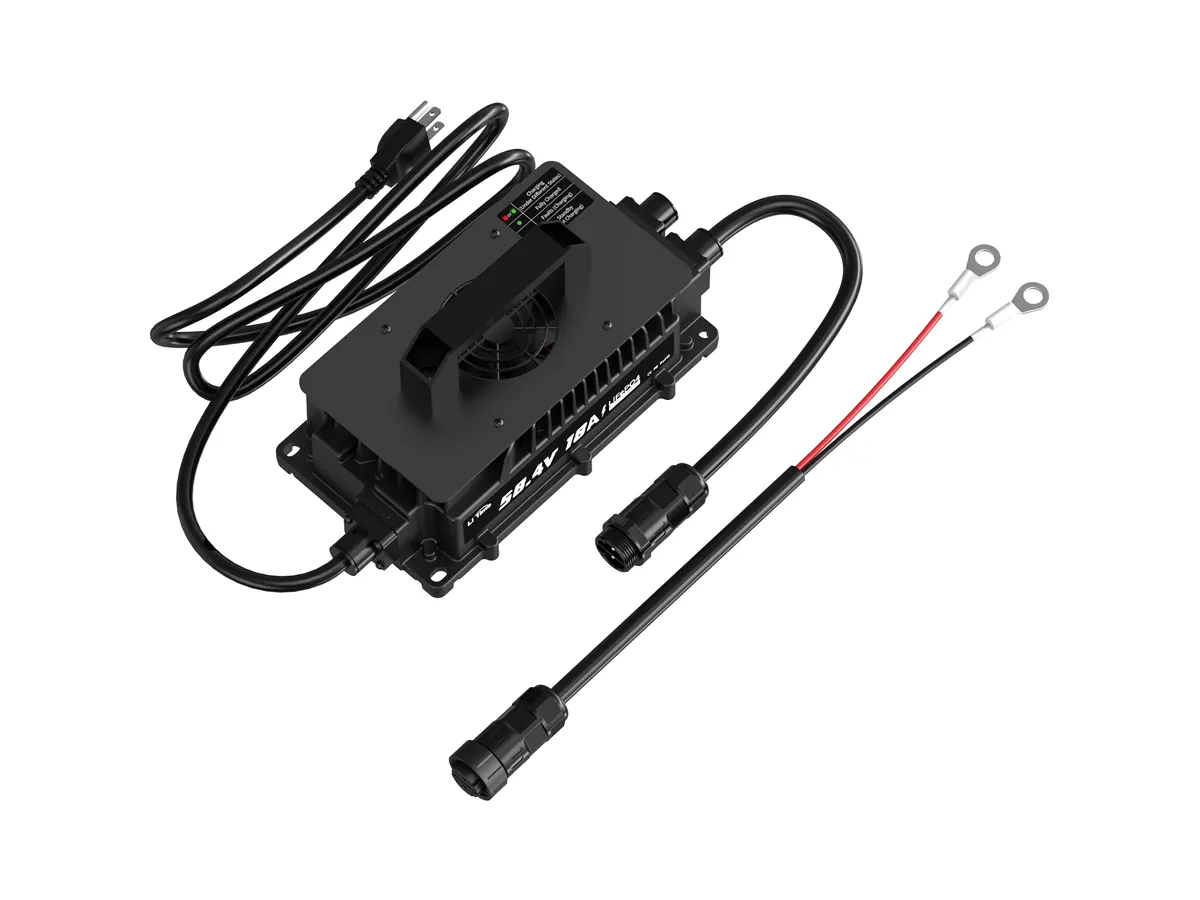
LiTime · 48V
48V 18A lithium charger
58.4V · 18A · IP65 · Anderson plug
$170 Official site
Beyond the battery
Most kits include a charger and a meter. Many don't include a 12V converter, a hold-down or the right charge plug — and those are what leave carts dead in the driveway.
We may earn a commission when you buy through our links. Rankings never change with commissions. How we make money
Lithium chargers
A lead-acid charger uses the wrong charging profile and can overcharge or fault a lithium pack. Most kits include one — buy separately only if yours doesn't, or to get a different plug or faster charging.
LiTime · 48V
58.4V · 18A · IP65 · Anderson plug
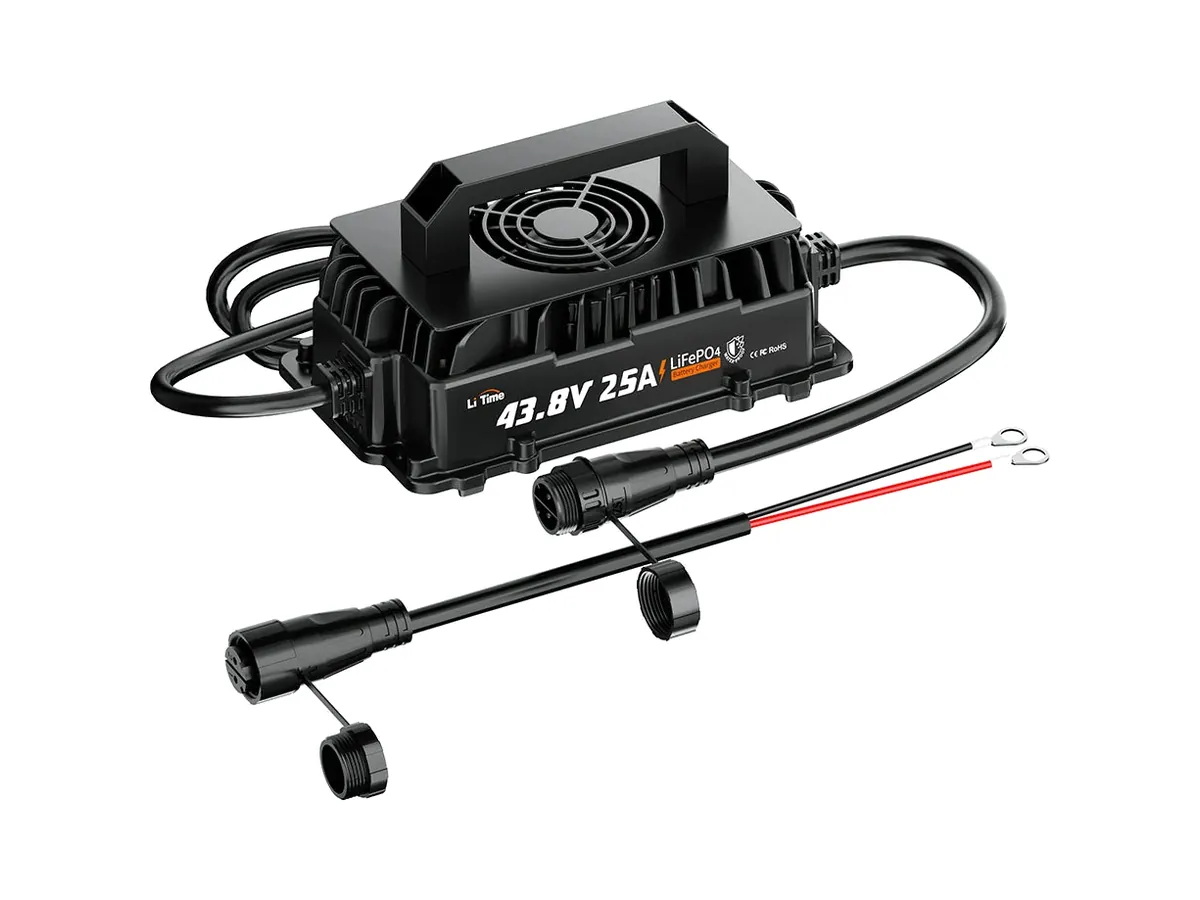
LiTime · 36V
43.8V · 25A · IP65
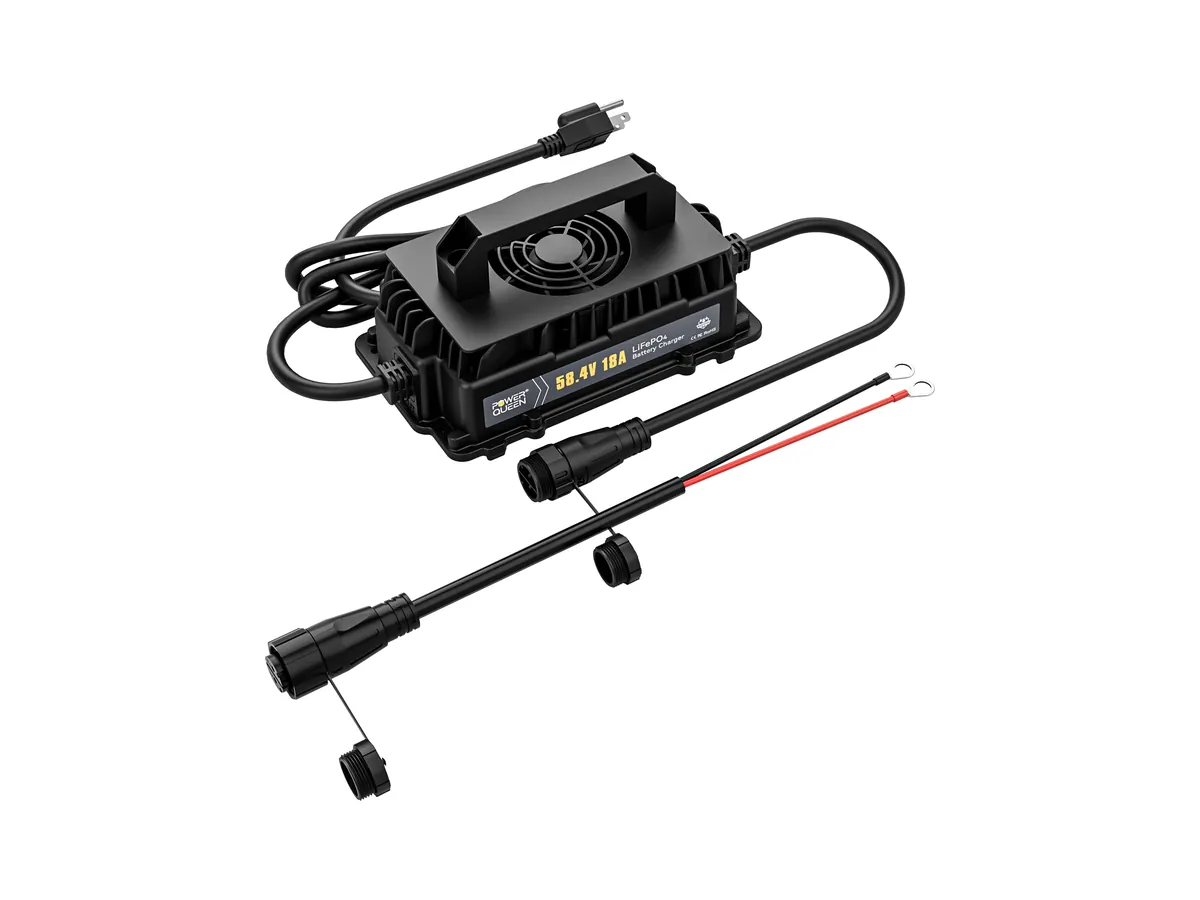
Power Queen · 48V
58.4V · 18A · IP65
12V converters (voltage reducers)
Lights, horn, radio and USB run on 12V. With one lithium pack you can no longer tap two batteries, so you need a converter. Add up your accessories' amps and pick a converter with headroom; check its input covers a full charge (58.4V on 48V).
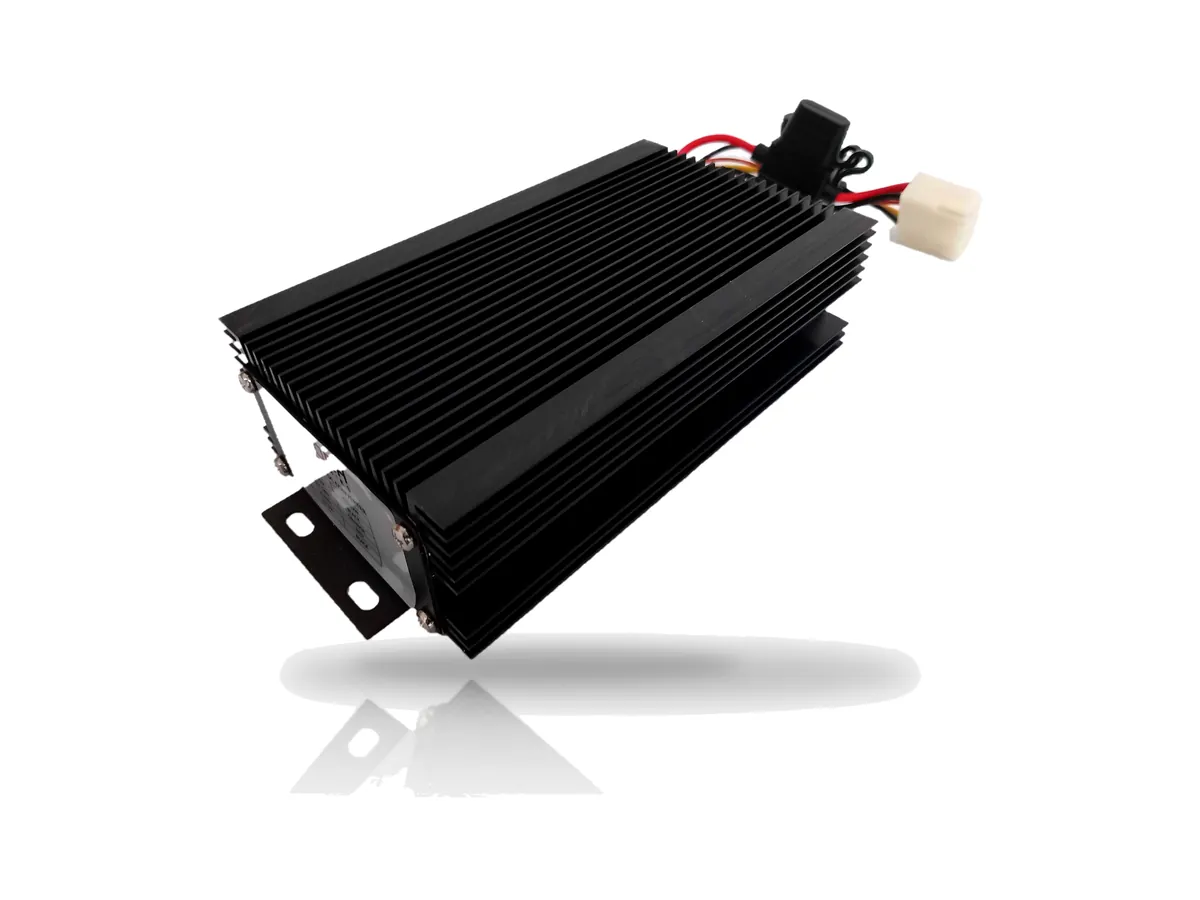
Epoch Batteries · 48V
25A · fused
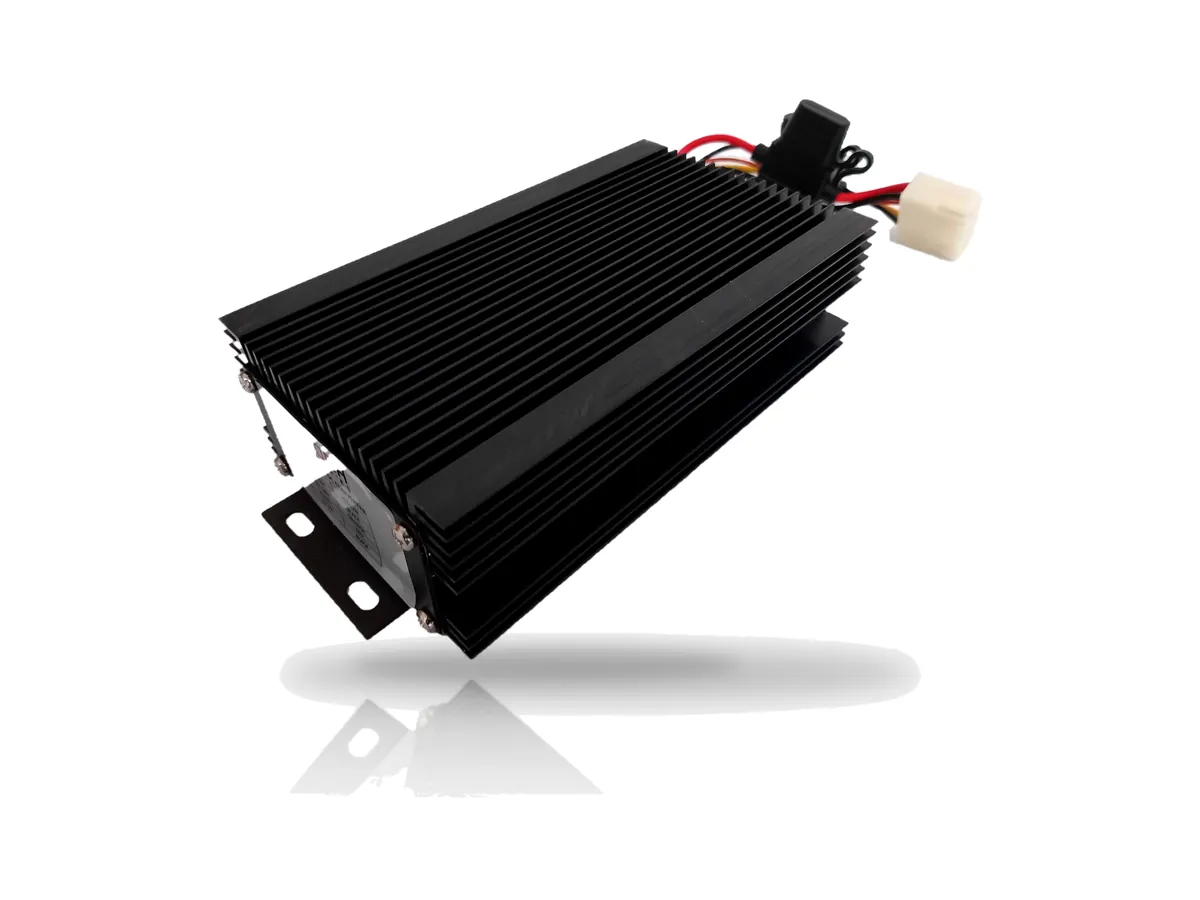
Epoch Batteries · 36V
Step-down for lights and accessories
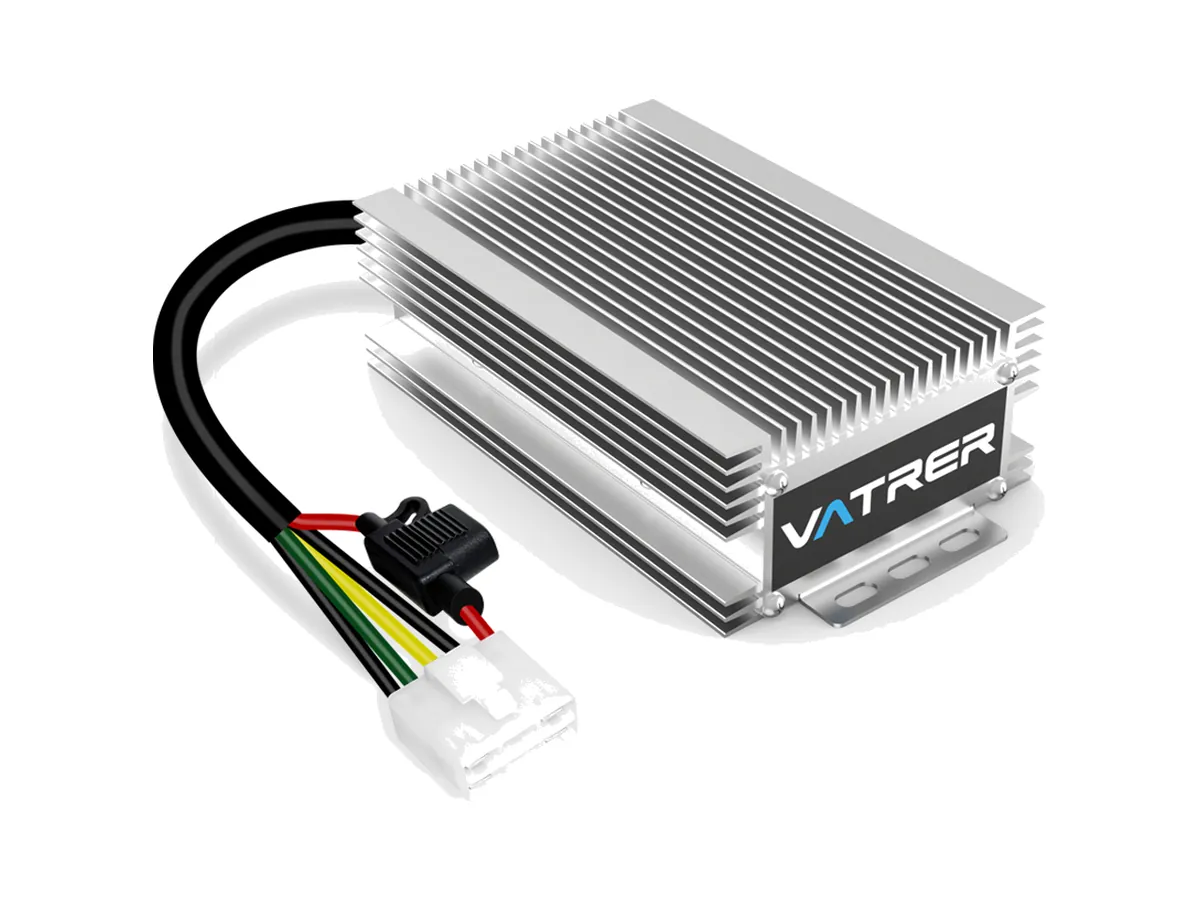
Vatrer · 48V / 72V
40–90V input · 25A / 335W · IP55
Battery monitors
The old lead-acid gauge reads wrong on lithium. A shunt-based monitor counts the real amp-hours used; a simple voltage meter is only a rough guide, because lithium voltage stays flat until it is almost empty.
Victron Energy · 36V / 48V
Shunt · app only, no display · up to 70V
Not for 72V packs.
Renogy · 36V / 48V / 72V
Shunt · wired display · alarms
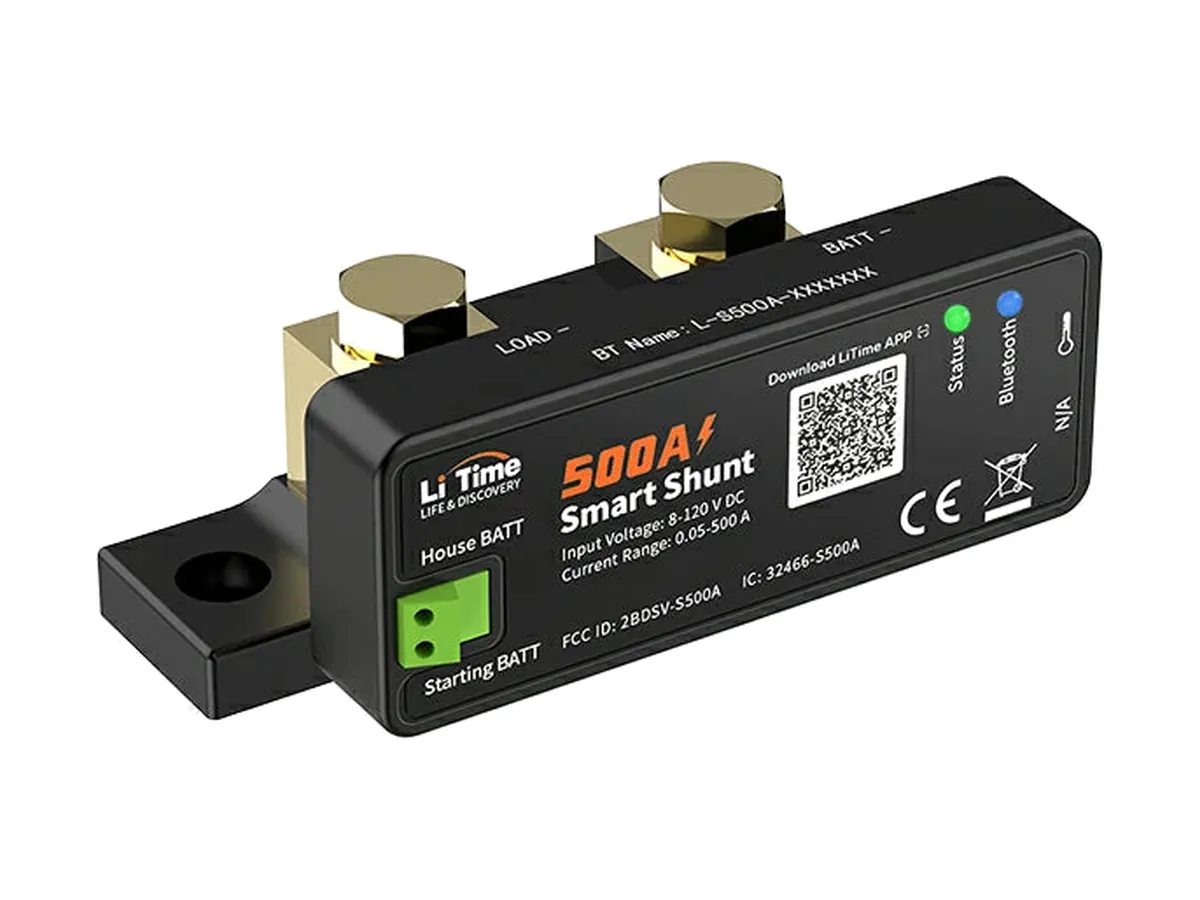
LiTime · 36V / 48V / 72V
Shunt · 8–120V · app + display
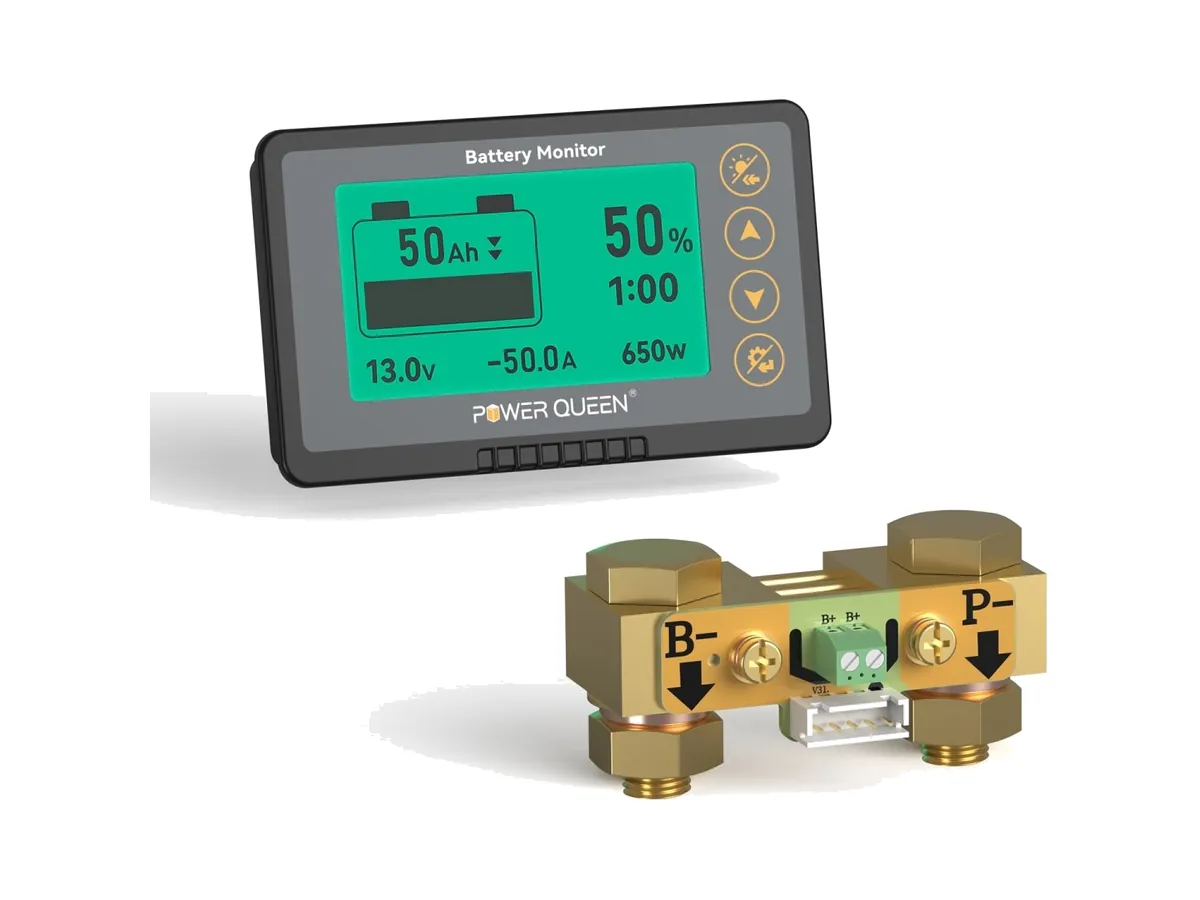
Power Queen · 36V / 48V / 72V
Shunt · 8–120V
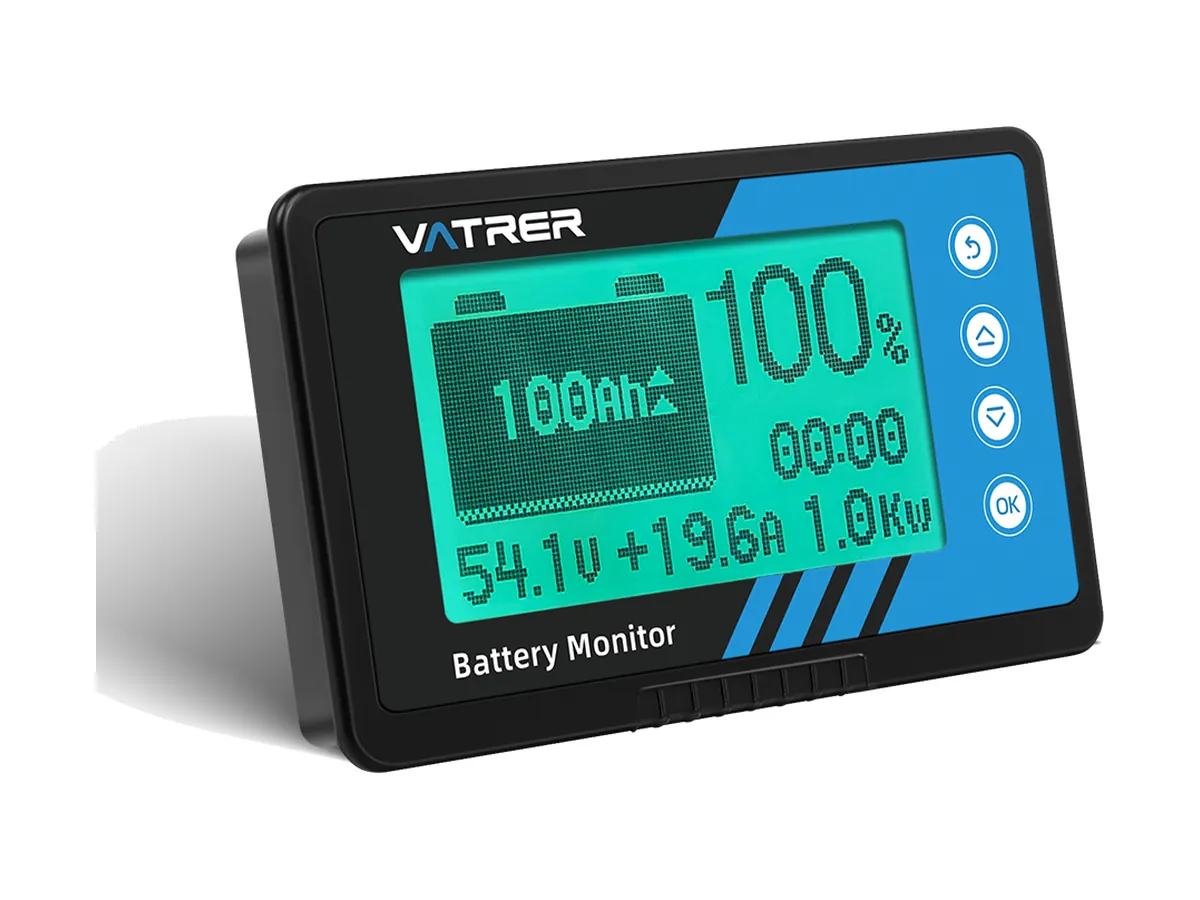
Vatrer · 36V / 48V / 72V
Shunt · display
Hold-downs and mounting
One small pack in a tray built for six batteries will slide around. Use a proper hold-down, not straps or zip ties, and fill the gaps with spacers.
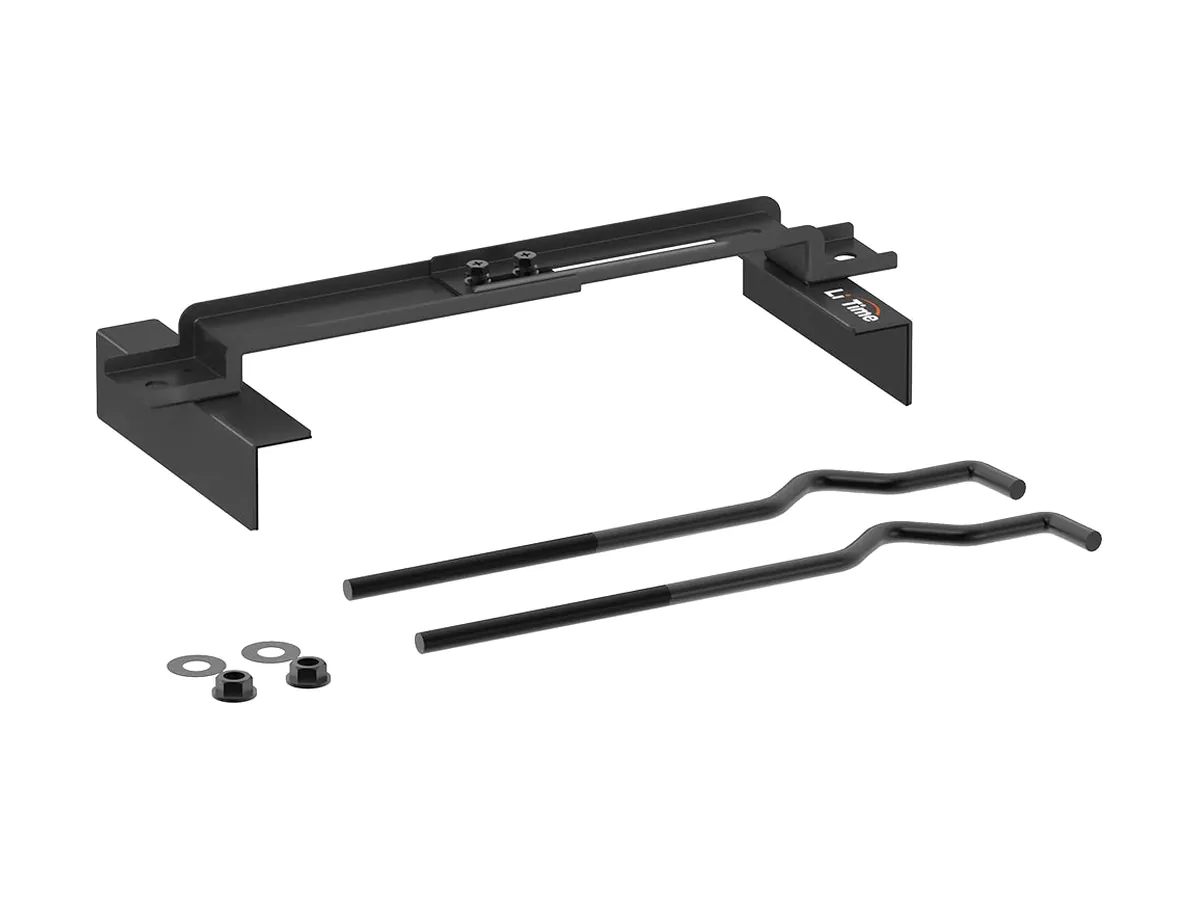
LiTime · 36V / 48V
Steel clamps · adjustable 6.9–10.6 in
Fits Club Car, Yamaha and E-Z-GO trays; not Club Car DS or Yamaha G19 and older.
Generic · 36V / 48V
OEM-style plate, reusable for a lithium pack
Generic · 36V / 48V
OEM-style plate, reusable for a lithium pack
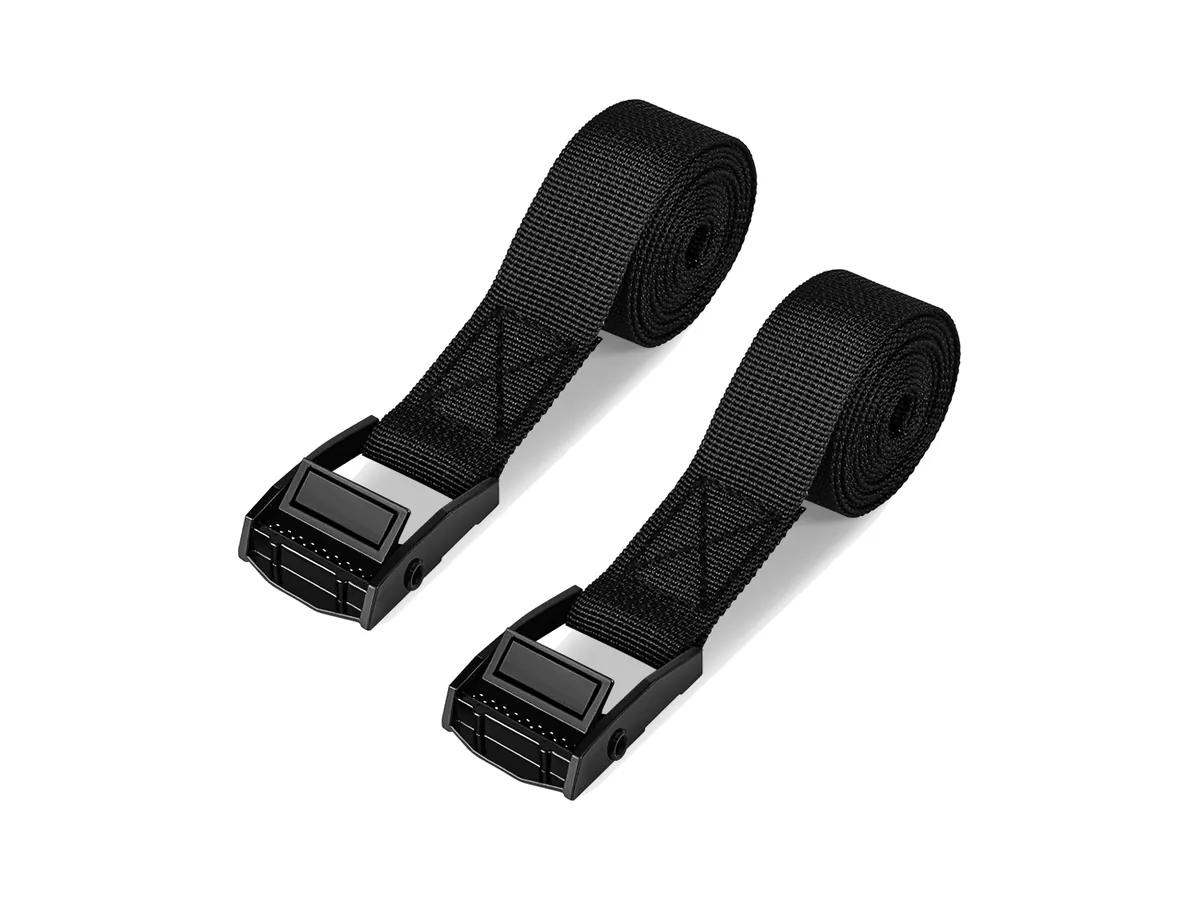
Vatrer · 36V / 48V / 72V
Tie-down straps
Charge ports and plugs
The new charger's plug often doesn't fit your cart's receptacle. A cart-specific plug or an AC inlet port fixes it.
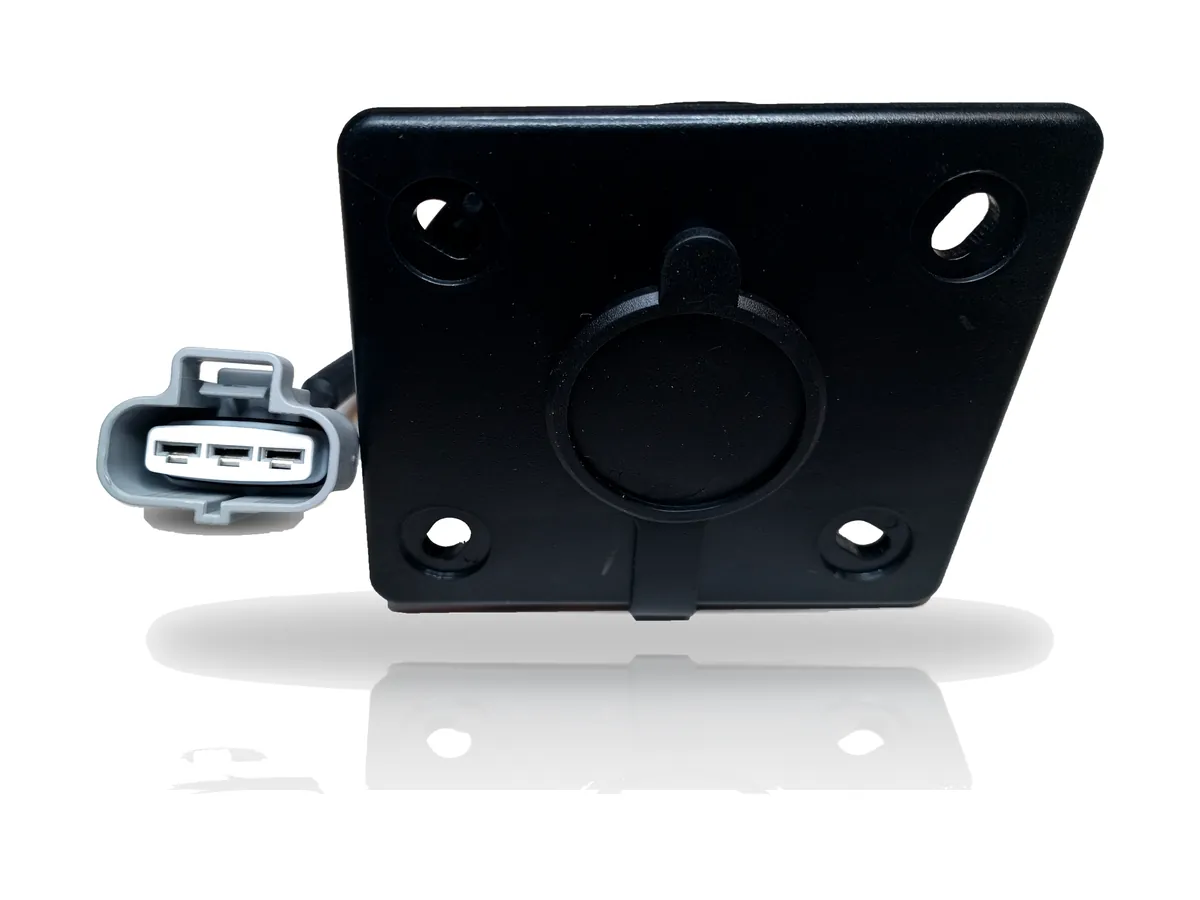
Epoch Batteries · 36V / 48V
Fits the factory E-Z-GO receptacle
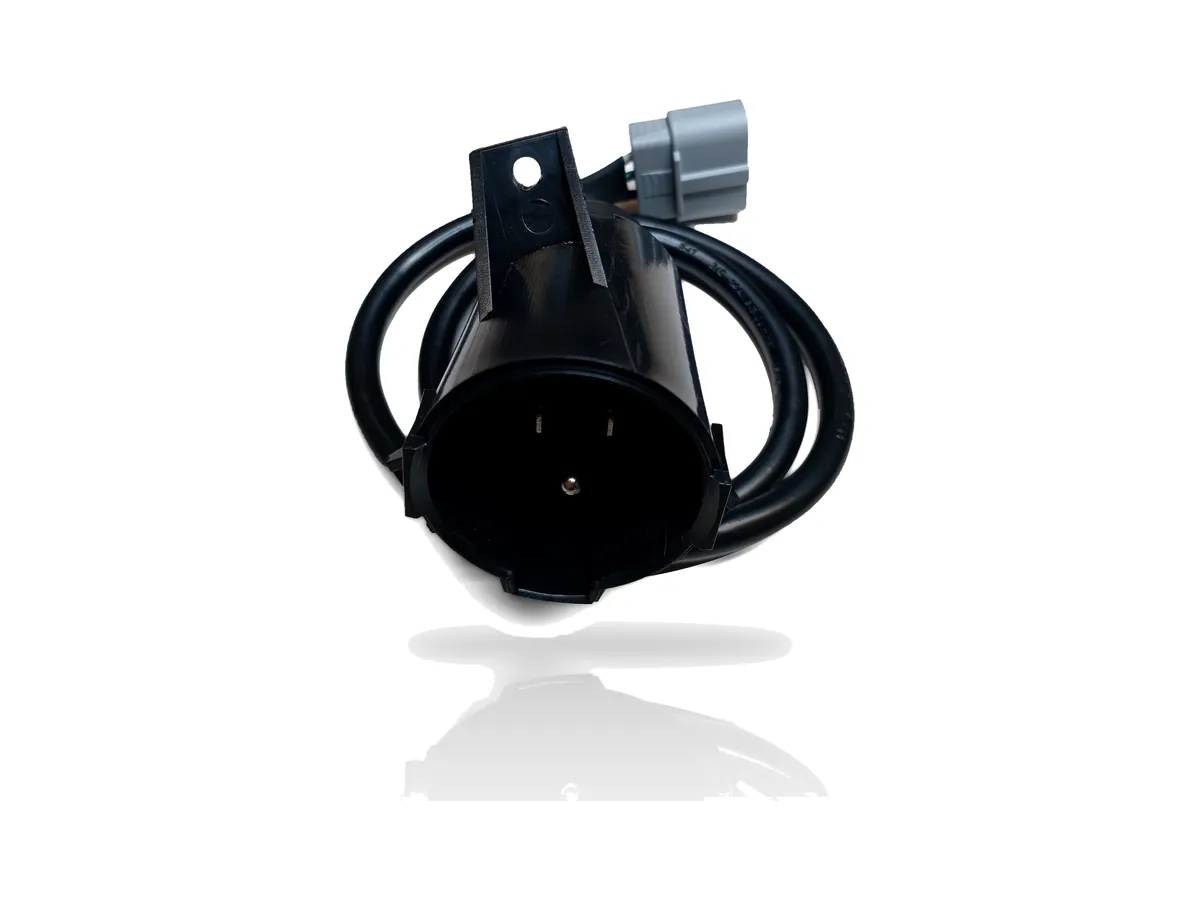
Epoch Batteries · 48V
Fits the factory Precedent receptacle
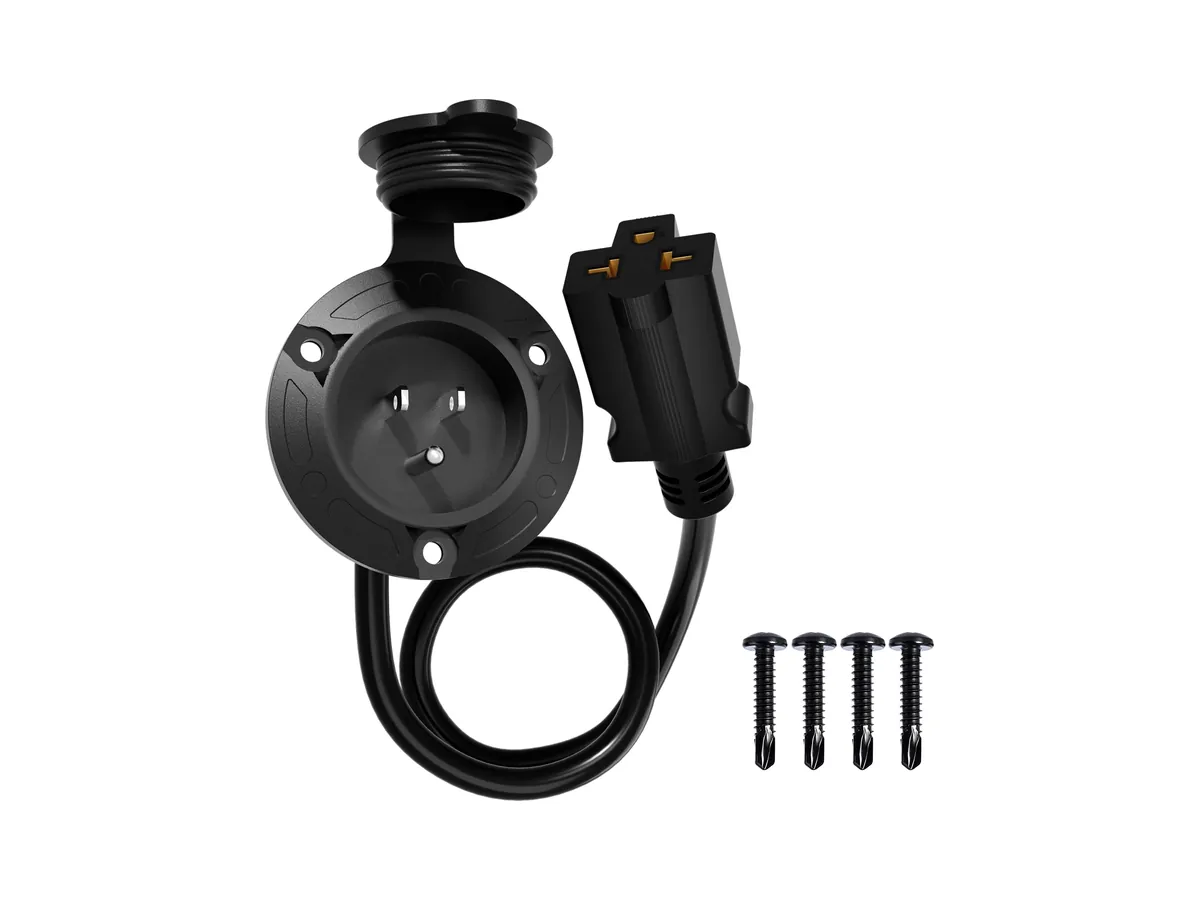
DC House · 36V / 48V / 72V
Plug-in port for an onboard charger
No. A lead-acid charger uses a different charging profile and can overcharge or fault a lithium pack. Use a lithium charger matched to your pack: 43.8V for 36V, 58.4V for 48V.
Install a 48V-to-12V converter. Add up the amps of your lights, horn, radio and USB, then pick a converter with 30–50% headroom — usually 20A to 30A — whose input range covers a full charge (58.4V).
On many Club Car Precedent and DS carts from roughly 1995–2014, the onboard computer (OBC) controls charging and can block a lithium charger. Most lithium kits for these carts include a bypass, or the brand explains how; check your kit's instructions before installing.
Club Car DS, Club Car Precedent, E-Z-GO TXT/RXV and Yamaha all use different receptacles. Either buy a charger with your cart's plug, a cart-specific port plug, or install an AC inlet port and use an onboard charger.
If you want an accurate fuel gauge, yes. Lithium voltage barely changes until the pack is nearly empty, so a voltage meter can show 60% and then drop to zero. A shunt-based monitor counts the amp-hours going in and out.
Not for a like-for-like swap on a stock cart. If you also raise the voltage (36V to 48V) or install a bigger controller, match the solenoid's coil voltage and amp rating, and check the controller tolerates a full lithium charge.
Common causes: on E-Z-GO TXT/RXV the charger interlock wire is left open; a solenoid coil that doesn't match the voltage; or the battery's safety system is in sleep or protection mode. Check the kit instructions for your cart model.